By Anuradha Prabhudesai
MA (Counselling Psychology), University of Mumbai
Founder Member & Counselling Psychologist, Disha Counselling Centre
26+ years of experience in counselling and psychotherapy
A Psychologist’s Reflection: What I Have Seen Over the Years
As a counselling psychologist and as someone who has worked closely with children and families for over two decades, I have witnessed a quiet but powerful struggle in many Indian homes. It is not always the child’s difficulty that worries parents the most—it is the fear of what society might have to say.
In my early years of practice, I often met parents who walked into my room already burdened with guilt and anxiety. They would lower their voices when speaking about their child, hesitate before asking questions, and repeatedly seek reassurance that seeking psychological help did not mean something was “wrong” with their parenting or their child. The stigma surrounding mental health and psychological assessment was heavy, and many parents carried it silently.
I could sense stress in parents—the restlessness, the self-doubt, and the inner conflict between wanting to support their child and fearing judgment from relatives, neighbours, or schools. In some cases, this hesitation delayed support that could have eased a child’s emotional or learning challenges much earlier.
The Cost of Stigma on Children’s Well-being
When parents wait, dismiss concerns, or hope that a child will simply be fine, the intention is often protective. However, what I have observed repeatedly is that children sense confusion, unspoken worry, and stress within their environment.
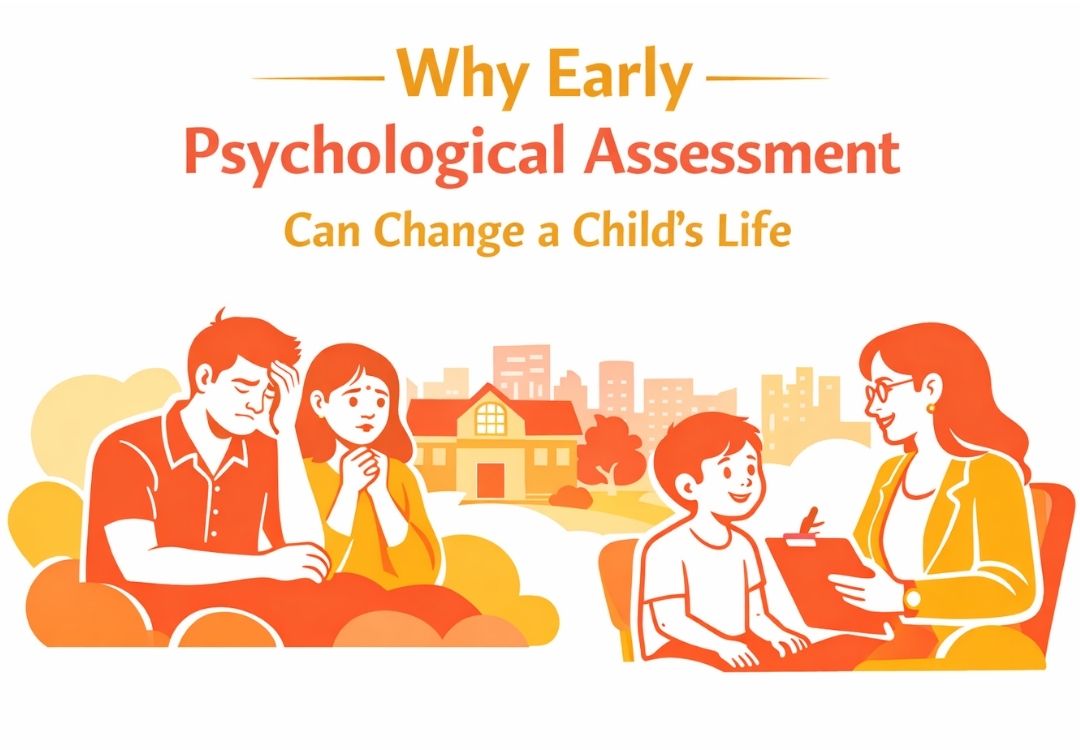
Over time, unresolved emotional or behavioural concerns can begin to affect a child’s confidence, academic engagement, and relationships. A child may start believing that their struggles are personal failures rather than signals that they need understanding and support. Early psychological assessment, when done ethically and sensitively, helps prevent this silent internalisation.
The Awareness Gap I Have Observed in Our Society
One of the most concerning patterns I have observed over the years is not just stigma, but a lack of awareness about the availability of help and support for children and families in India.
In many households, emotional distress in children is still overlooked, minimised, or misunderstood. Behaviours such as anxiety, excessive fearfulness, restlessness, learning difficulties, or emotional withdrawal are often dismissed as “attention seeking,” “naughtiness,” or something the child will simply outgrow. At times, these concerns are even met with humour or casual remarks—unintentionally turning a child’s inner struggle into something to be laughed away.
Over the years, I have seen how this combination of low awareness and social insensitivity has quietly cost us as a society. Children learn early that their feelings are inconvenient, parents carry unresolved guilt and anxiety, and families struggle silently when support could have been available. The cost is not always visible immediately, but it often shows up later as reduced self-confidence, strained relationships, or emotional distress carried into adulthood.
From my professional experience, I believe that the most meaningful way to address this is through awareness and sensitivity. Awareness that emotional and learning challenges are not signs of weakness, and sensitivity towards how children express distress in the only ways they know how. When families are informed and supported, they are far more likely to seek help early and respond with understanding rather than fear.
This is not about blaming parents or society. It is about creating safe emotional spaces where children are met with empathy rather than judgment.
What a Psychological Assessment Truly Means
One of the most important conversations I have with parents is about what a psychological assessment is—and what it is not.
A psychological assessment is not a label. It is not a judgment of intelligence, capability, or worth. It is a structured, compassionate process that helps us understand a child’s emotional world, learning style, behavioural patterns, and coping mechanisms.
At Disha Counselling Centre, assessments are conducted with the child’s comfort, dignity, and individuality at the centre. The goal is clarity—clarity that allows parents, educators, and therapists to respond thoughtfully rather than reactively.
A Shift I Have Witnessed: Changing Mindsets in Urban India
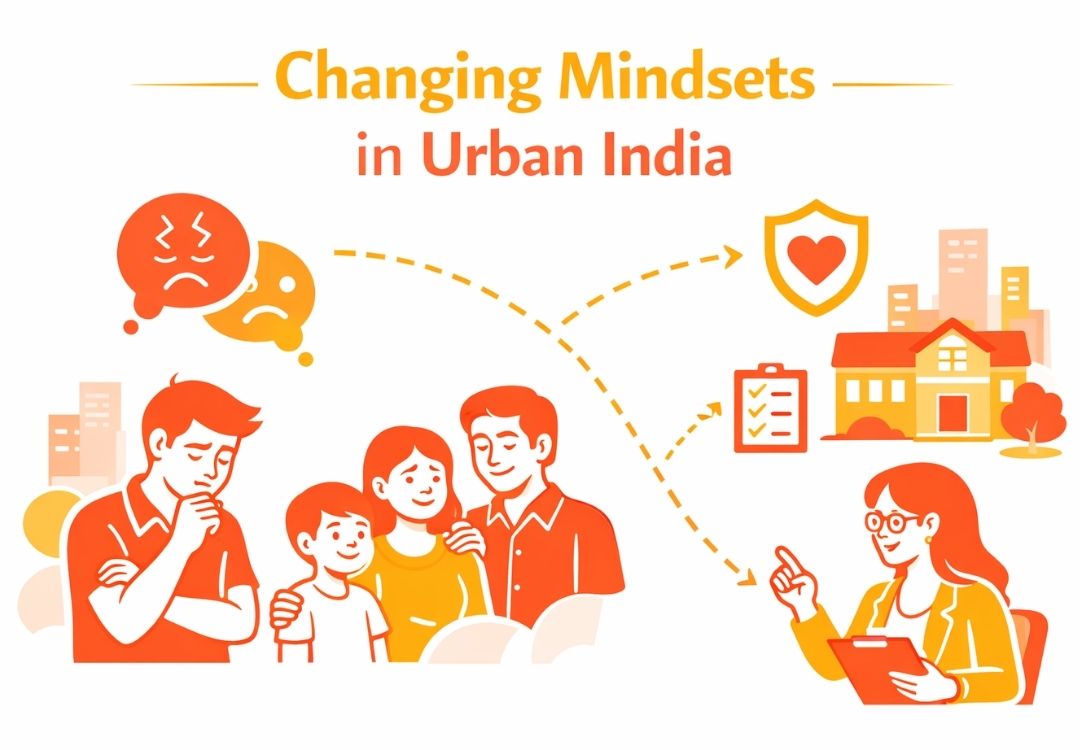
Over the past several years, especially in leading cities like Mumbai, I have witnessed a meaningful shift. Parents today are more informed, more open to conversations about mental health, and more willing to ask questions.
Many parents now come seeking understanding rather than validation. They ask how emotional well-being affects learning, how anxiety manifests in children, and how early support can help their child navigate life with resilience. This growing awareness has been encouraging—not only as a professional, but as someone deeply invested in children’s well-being.
This shift reflects broader changes in access to information, education, and open dialogue. Parents are increasingly recognising that emotional health is as vital as physical health.
Disha Counselling Centre’s Journey Over Two Decades
Disha Counselling Centre has been part of this evolving landscape for over 20 years. From our early days to the present, we have supported children, adolescents, adults, families, schools, and communities across diverse backgrounds.
What has remained constant is our commitment to ethical practice, empathy, and quality care. What has evolved is the openness with which families now engage in conversations about mental health. Parents today are more proactive, and many actively seek assessments to ensure their children receive timely and appropriate support.
This evolution gives me hope. It tells me that while stigma still exists, it is slowly giving way to understanding.
Why Early Psychological Assessment Can Make a Lasting Difference
Early psychological assessment allows us to:
- Understand a child’s emotional and learning needs before difficulties escalate
- Support parents with clarity rather than guesswork
- Strengthen a child’s self-esteem by addressing challenges early
- Build collaborative pathways between parents, schools, and professionals
Most importantly, it sends a powerful message to the child: you are seen, heard, and supported.
A Thought for Parents
If there is one thing I would like parents to know, it is this—seeking psychological understanding is not a reflection of failure. It is an act of care, courage, and responsibility.
When parents choose understanding over fear, they give their children the space to grow into emotionally healthy and confident individuals.
Frequently Asked Questions
Is psychological assessment only for children with serious concerns?
No. Assessments can be helpful whenever parents seek clarity about emotional, behavioural, or learning patterns. They are not limited to severe concerns.
Will an assessment label my child for life?
Ethical assessments focus on understanding and support, not labelling. They are tools for guidance, not definitions of a child’s future.
When should parents consider an assessment?
If concerns persist over time, affect daily functioning, or cause distress to the child or family, seeking professional guidance can help parents make informed decisions.
Related Services at Disha Counselling Centre
- Child & Adolescent Counselling & Psychotherapy
- Psychological Assessments for Children
- Learning Disability & Aptitude Assessments
About the Author
Anuradha Prabhudesai is a counselling psychologist and a founder member of Disha Counselling Centre. She holds a Master’s degree in Counselling Psychology from the University of Mumbai and has over 26 years of experience supporting children, adolescents, adults, and families through ethical, empathetic, and evidence-informed mental health care.